
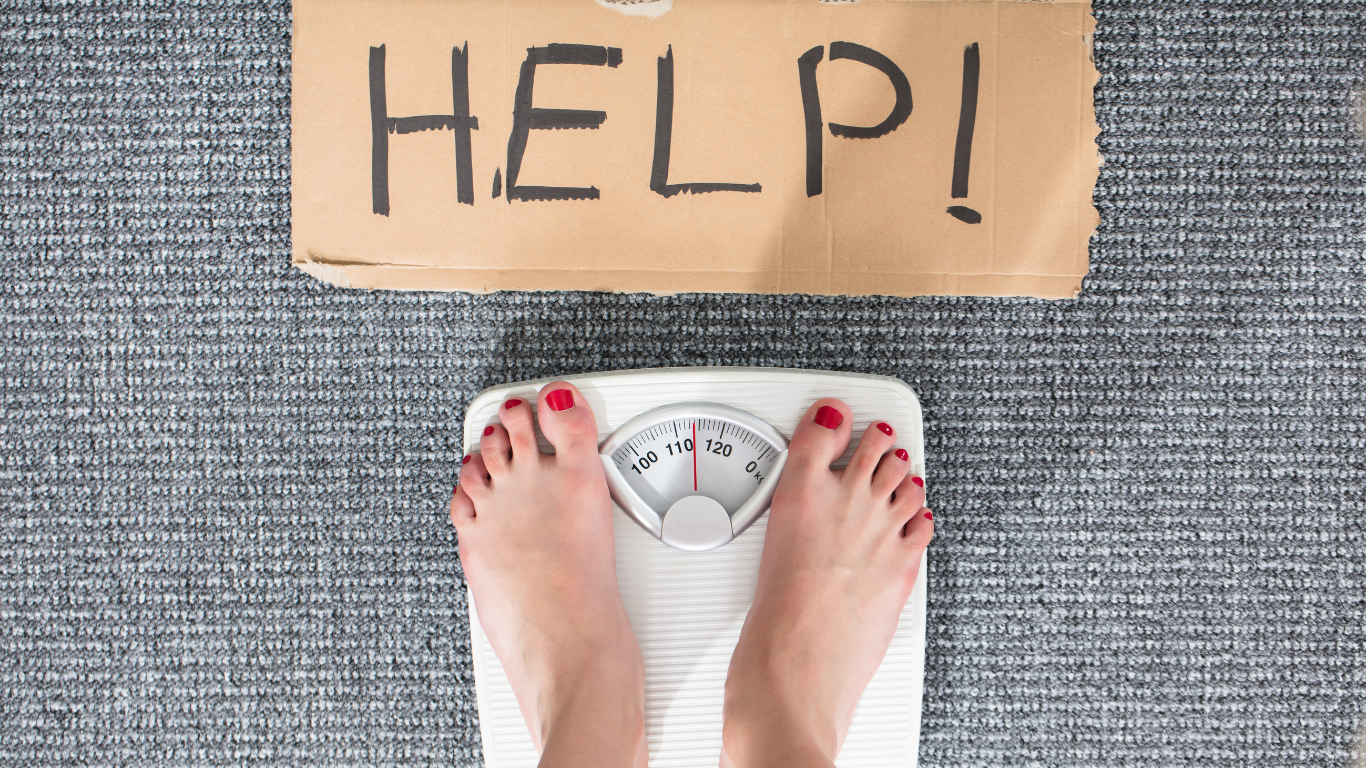
Overweight and Obesity Overview
You’re not alone
Over 234.5 million (72%) adults in the United States are overweight or obese.
It’s impact on our economy
Annual obesity-related medical care costs in the United States in 2019 were estimated to be nearly $173 billion ($1500/year per person). This costs U.S. companies $3.38-6.38 billion in missing work.
Why be concerned about this condition?
Being overweight or obese leads to one or multiple of the following conditions:
High blood pressure
High LDL cholesterol, low HDL cholesterol, and/or high levels of triglycerides
Type 2 diabetes
Asthma
Sleep apnea
Muscle aches/joint problems (i.e. osteoarthritis)
Gallstones and gallbladder disease
Anxiety and depression
Low self-esteem and lower self-reported quality of life
Bullying
Stroke
Coronary Artery Disease
Premature death
Increased risk of getting 13 kinds of cancer (esophagus, breasts, colon, uterus, gallbladder, stomach, kidneys, liver, ovaries, pancreas, thyroid, brain, skin)
What are some things that commonly cause overweight/obesity?
Sleep quality and quantity
Chronic stress
Eating too many carbohydrates per day losing the ability to burn body fat
Not eating to control blood sugar levels
Eating for too many hours of the day
Insulin resistance/Prediabetes
High uric acid levels
Sweeteners, preservatives, and fructose are incredibly addicting, and impact the body in ways that easily result in people getting fatter.
Alcohol and purines
Low physical activity quantity
Low exercise quantity
Genetics
Testosterone replacement therapy
Aspirin, anticonvulsive, blood thinner, acid reflux, psoriasis, immunosuppressant, low white blood cell count, parkinson’s disease, viagra, asthma, and beta blocker medications
Social determinants of health (SDOH) - where we live, work, learn, and play
The food that is the worst for you, is the cheapest.
Infrastructure: What does your neighborhood offer you for sidewalks, crosswalks, and bike paths to get around or be active?
Next Steps
Go to the next section of the program to learn/schedule your baseline blood testing, body composition testing, and goal setting
References
Perlmutter, D. and Loberg, K. (2024) Drop acid: The surprising new science of uric acid--the key to losing weight, controlling blood sugar, and Achieving Extraordinary Health. S.l.: Simplified Chinese Press.
https://www.levelshealth.com/blog/the-ultimate-guide-to-understanding-your-cholesterol-panel-and-metabolic-blood-tests?utm_source=drip&utm_medium=email&utm_campaign=%5BNewsletter%5D+-+02-27-24+-+Understanding+cholesterol+panel+and+blood+tests+%5BLapsed+Members%5D&utm_content=How+to+read+cholesterol+%26+blood+tests