
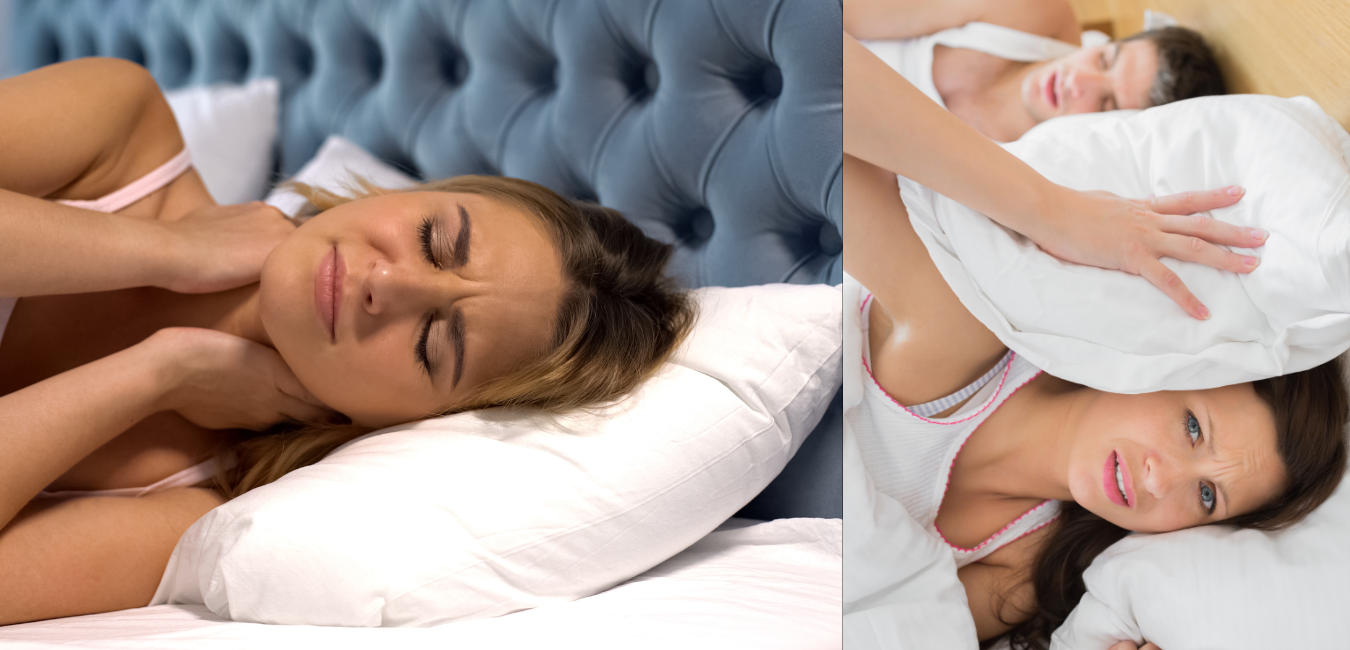
Fragmented sleep is defined by waking up more than once during the night for at least a few minutes, to the point where it’s difficult to go back to sleep.
What is the problem with fragmented sleep?
Every time you wake up it takes the brain a minimum of 15 minutes to get back into the stage of sleep you were in. Sleep trackers like the apple watch and fit bit will falsely count those 15 minute transitions as actual sleep when your brain and body don’t. This can quickly decrease how many hours and minutes of sleep you get each night resulting in you getting less than the optimal 7 hours of sleep, too little deep sleep, and too little REM sleep.
Sleep trackers or sleep apps will falsely miss the time it takes to transition back to sleep when your brain and body do not. If you track your sleep using a sleep wearable or app, count how many times it says you woke up, multiply that by 15 minutes. Then subtract that number of minutes from the total time it says you slept last night.
Getting sub 7 hours and sub 1.5 hours of deep sleep caused by waking up too many times per night means that the following day you will be 30-60% more likely to gain body fat, poorer blood sugar control, elevated stress levels/blood pressure, and elevated blood lipids. This compounded over a few weeks to a couple months will significantly reduce/prevent fat loss, make your fitness programs never give you any improvements, and will lead to some serious health problems like depression, anxiety, prediabetes, type II diabetes, high blood pressure, dementia, obesity, muscle/joint pain, cardiovascular disease, and cancer.
Answer the following questions and discover which areas you need to troubleshoot/optimize
Nutrition
Do you consume fewer calories per day than your resting metabolic rate?
If you’re unsure or you do, this is an area for improvement
Recommended further learning: Calorie counting myth and what you eat is far more important
Do you consume at least 60% percent of your body weight in fluid ounces of liquids from the time you wake up to 11 hours later?
If no or you’re unsure, this is an area for improvement
Recommended further learning: Alcohol and Hydration
If you’re waking up to pee at night, how many fluid ounces did you drink between 11 hours after waking up and bedtime?
If 8 fl oz or more, this is an area for improvement
Recommended further learning: Time restricted eating
What time is your first bite of food or liquid calories every day?
If it varies more than 1 hour each day, this is an area for improvement.
Recommended further learning: How to reset your circadian clocks
What time is your last bite of food or liquid calories?
If it was 12+ hours after your first bite or sip AND within 4 hours of going to sleep, this is an area for improvement.
Recommended further learning: Time restricted eating
What time was your final intake of caffeine?
If it was after 12pm, this is an area for improvement
Recommended further learning: Time your caffeine and vitamin D for longer and better sleep
Do you drink milk or take vitamin D supplements at or after dinner?
If yes, this is an area for improvement
Recommended further learning: Time your caffeine and vitamin D for longer and better sleep
Are you consistently eating 150g+ carbs every day?
If yes, you’ve likely lost the ability to burn fat for fuel and are waking up from blood sugar crashes
Recommended further learning: Adapt your body to burn fat vs carbs
Sleeping Environment
What temperature is the air in your bedroom? 68 degrees is the optimal sleeping temperature. The reason being is that in order to fall asleep, your core body temperature must cool down by 1-3°F. If you cannot control the thermostat in your home or room, there are some sleeping resources and lifestyle options to explore to work around this.
Do you sleep with a pet or a partner that tosses/turns or might increase your body temperature?
Do you snore or have sleep apnea?
What noises are constant or might you hear throughout the night?
Do you sleep with your phone in your room? If yes, do you turn on airplane mode before you go to sleep?
Do you have blackout curtains?
When was the last time you got a new pillow? Check out the sleep foundation for ideas here.
Did you have any muscle aches or pains waking you up?
Evening Lifestyle
How much total time did you spend in rooms that have ceiling incandescent or LED lights on at max brightness and/or in front of electronic devices? Depending on the conditions 10 minutes to 1+ hours in one of these scenarios of high lux (unit of light brightness) output and blue light will activate the melanopsin cells in your eyes and brain, reducing your melatonin production making it take longer or less likely to fall back asleep after one of the other factors wakes you up.
Recommended further learning: Blue light/Bright light
Was something stressing you out, causing worry, and on your mind within 4 hours of going to bed? This increases the stress hormone cortisol, which will lower your melatonin levels making it take longer or less likely to fall back asleep after one of the other factors wakes you up.
Recommended further learning: The short/long term impacts of stress and how to combat them, Control what you can, Expect the unexpected
Your answers to one or all of these questions would be a potential topic to set for the intention of our next lifestyle coaching session. Let me know if you’d like further education on one of these areas or resources to help you troubleshoot/optimize it to improve your sleep latency.
Next Steps
Click Here to Schedule a Lifestyle Coaching Session
-When you get near the end of scheduling this click “redeem coupon, package, or gift certificate” button (located above pay now)
-type in your package code and click apply
-then click the reserve button